Laundry operations play a critical role in many commercial settings, including healthcare facilities, hospitality operations, industrial sites, and institutional environments. These programs must balance throughput, consistency, and operational efficiency while supporting daily demand. Within these environments, commercial laundry products are typically evaluated as part of a structured operational system rather than as isolated purchasing decisions.
Unlike residential laundry, commercial programs operate at scale and often under tight schedules. Decisions must align with equipment capacity, staffing models, and procurement strategies. When commercial laundry products are selected thoughtfully, organizations can maintain predictable workflows without disrupting daily operations.
Understanding the Demands of High-Volume Laundry Operations
Commercial laundry facilities manage large volumes of textiles, often with varying soil levels and usage requirements. Linens, uniforms, towels, and specialty items may all be processed within the same operation. Commercial laundry products are often reviewed based on how well they support this diversity without requiring multiple workflows.
Facilities that document load types and processing requirements are better positioned to plan effectively. Aligning commercial laundry products with actual usage patterns helps reduce variability and supports consistent outcomes across different item categories.
Integration With Equipment and Process Flow
Laundry programs rely heavily on equipment performance and process flow. Washers, dryers, and finishing equipment are designed to operate within defined parameters. Commercial laundry products are typically evaluated based on compatibility with existing equipment and established processes.
When products integrate smoothly into current workflows, facilities experience fewer interruptions. Consistent application of commercial laundry products allows teams to focus on execution rather than troubleshooting adjustments during busy production cycles.
Routine Scheduling and Operational Efficiency
Laundry operations often run on fixed schedules tied to facility demand. Turnaround times and throughput requirements influence how programs are structured. Commercial laundry products are commonly assessed based on how well they support routine scheduling without introducing bottlenecks.
Facilities that align product use with operational timelines tend to achieve more predictable results. By incorporating commercial laundry products into documented schedules, organizations can manage workloads efficiently while maintaining consistency across shifts.
Workforce Training and Consistency
Commercial laundry teams may include multiple shifts and varying experience levels. Training efficiency is essential to maintaining consistent outcomes. Reducing process complexity helps staff focus on proper execution rather than constant adjustments. Commercial laundry products support workforce consistency when introduced with clear usage guidelines.
Documented procedures allow employees to apply products consistently regardless of role or shift. When teams understand how commercial laundry products fit into daily operations, onboarding becomes smoother and operational disruptions are minimized.
Procurement Strategy and Product Availability
Centralized sourcing plays an important role in maintaining continuity within laundry programs. Managing inventory across facilities requires reliable availability and predictable supply. Commercial laundry products are often evaluated alongside broader procurement strategies to ensure alignment with operational needs.
Midlab supports commercial buyers by offering streamlined access to cleaning and maintenance solutions through its products page, helping organizations align sourcing with laundry program requirements. Centralized procurement allows facilities to maintain consistency while simplifying inventory management.
Private Brand Programs and Standardization
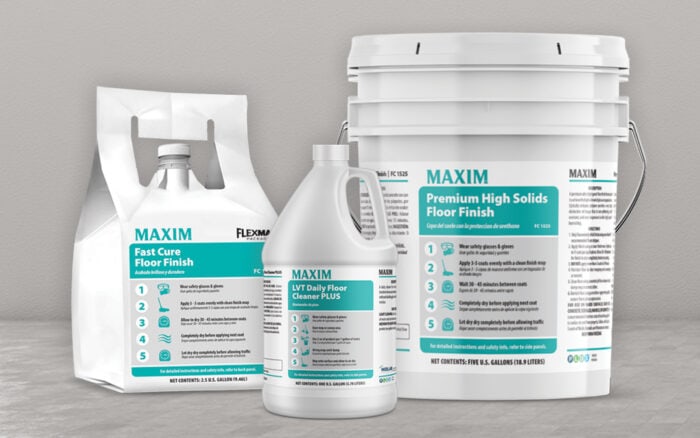
Many organizations explore private brand options to support consistency and purchasing alignment. Private brand programs allow facilities to standardize product assortments while maintaining predictable availability. Within these programs, Maxim products are often reviewed as part of broader laundry operations planning.
When paired with documented procedures, private brand solutions help ensure commercial laundry products are applied consistently across facilities. This structure supports scalability as operations expand or change.
Monitoring, Review, and Program Adjustment
Commercial laundry programs are not static. Facility demand, textile usage, and operational priorities evolve over time. Commercial laundry products selection and usage are typically reviewed periodically to ensure continued alignment with program needs.
Regular evaluation allows organizations to refine schedules, update documentation, and adjust resource allocation. This process helps commercial laundry products remain a planned component of operations rather than a reactive response to changing conditions.
Industry Guidance and Long-Term Strategy
Organizations often reference industry groups for insight into operational best practices. Resources available through ISSA provide context on commercial cleaning and laundry considerations relevant to large-scale operations.
A long-term approach to commercial laundry products supports consistency, documentation, and operational clarity. For organizations reviewing their laundry programs or planning updates, starting a conversation through the Midlab contact page can help align product selection with procurement strategy, workforce planning, and long-term operational goals.