Moisture control and surface contamination management are ongoing concerns in large commercial and industrial environments. Facilities with high humidity exposure, water usage, or temperature fluctuations often require solutions designed for repeatable, large-scale application. Many organizations incorporate an industrial mold remover into broader maintenance programs to help manage surface conditions across multiple operational zones.
Unlike small-scale cleaning solutions, facility-wide programs must account for square footage, material compatibility, and labor efficiency. Selecting one industrial mold remover that works across multiple surfaces can help reduce product complexity while supporting standardized cleaning procedures. This approach allows procurement teams to better forecast usage and maintain consistent ordering patterns across facilities and regions.
Understanding Moisture and Surface Risks in Industrial Facilities
Mold growth is often linked to moisture accumulation, airflow limitations, or temperature shifts within enclosed environments. A properly selected industrial mold remover is typically used as part of a larger surface management program focused on moisture reduction and routine maintenance.
Distribution centers may see surface moisture near loading docks, refrigeration transitions, or packaging storage zones. Manufacturing environments can experience moisture buildup around equipment wash areas or process cooling systems. Locker rooms, restrooms, and breakrooms can also present moisture management challenges due to daily use. Using a single industrial mold remover across these areas can help support consistent cleaning protocols.
Many procurement teams evaluate chemical compatibility and packaging formats through resources like https://midlab.com/products/ when selecting products that align with existing maintenance programs and dispensing systems.
Procurement Efficiency and Private Brand Program Expansion
Large organizations often evaluate maintenance chemicals based on total program efficiency rather than individual product pricing. Standardizing around one industrial mold remover can help reduce storage needs, simplify ordering, and support long-term supply planning.
Private brand strategies are becoming more common as distributors look for ways to build customer loyalty while maintaining supply chain predictability. Offering a private brand industrial mold remover can help distributors support facility standardization while reinforcing long-term product availability across customer locations.
Many facility leaders also stay informed on evolving maintenance best practices through organizations such as https://www.issa.com when evaluating long-term facility programs and supplier relationships.
Supporting Consistent Facility Conditions Across Locations
Surface condition management plays a role in overall facility presentation and operational consistency. A dependable industrial mold remover can help support repeatable cleaning outcomes across shared spaces and high-moisture environments.
Consistency becomes especially important for organizations operating multiple facilities across different climates or regions. Using the same industrial mold remover across all locations can help support uniform cleaning procedures and predictable product usage across facility teams.
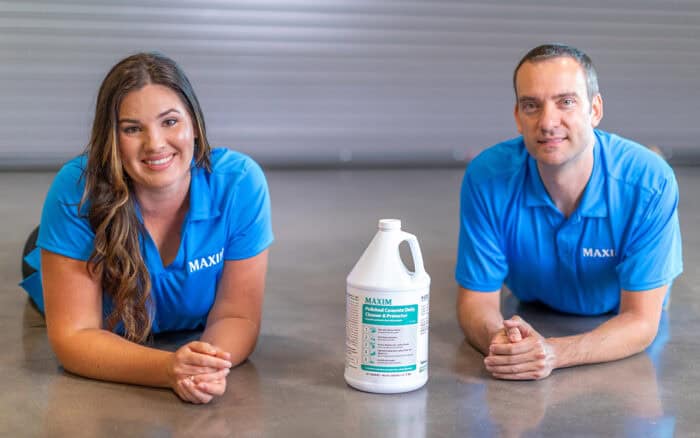
Some distributors support broader chemical platform strategies by pairing surface management programs with complementary solutions, including Maxim products, to help support supply continuity and program consistency across customer environments.
Implementing Mold Management Programs Across Facility Networks
Rolling out surface management programs across multiple facilities often requires clear training documentation, simple application processes, and predictable supply access. Many organizations select an industrial mold remover that integrates into existing cleaning workflows without requiring significant process changes.
Implementation planning often includes evaluating storage conditions, shipping logistics, and purchasing workflows. Procurement teams frequently coordinate with suppliers through resources like https://midlab.com/contact to help align ordering schedules and distribution planning across multiple service regions.
Long-term program success with an industrial mold remover often depends on consistent usage guidelines, clear documentation, and reliable supply availability. Distributors who support customers with training resources and program implementation guidance often help facilities maintain consistent adoption across locations.
As facility networks continue expanding and supply chains become more centralized, surface management programs are becoming more connected to broader operational planning. Selecting an industrial mold remover that aligns with facility workflows, procurement strategy, and maintenance planning can help organizations maintain consistent surface management outcomes while supporting scalable facility maintenance programs.